Q&A with Dr. Krishna Ramesh: AI in Healthcare and Real Practice Insights
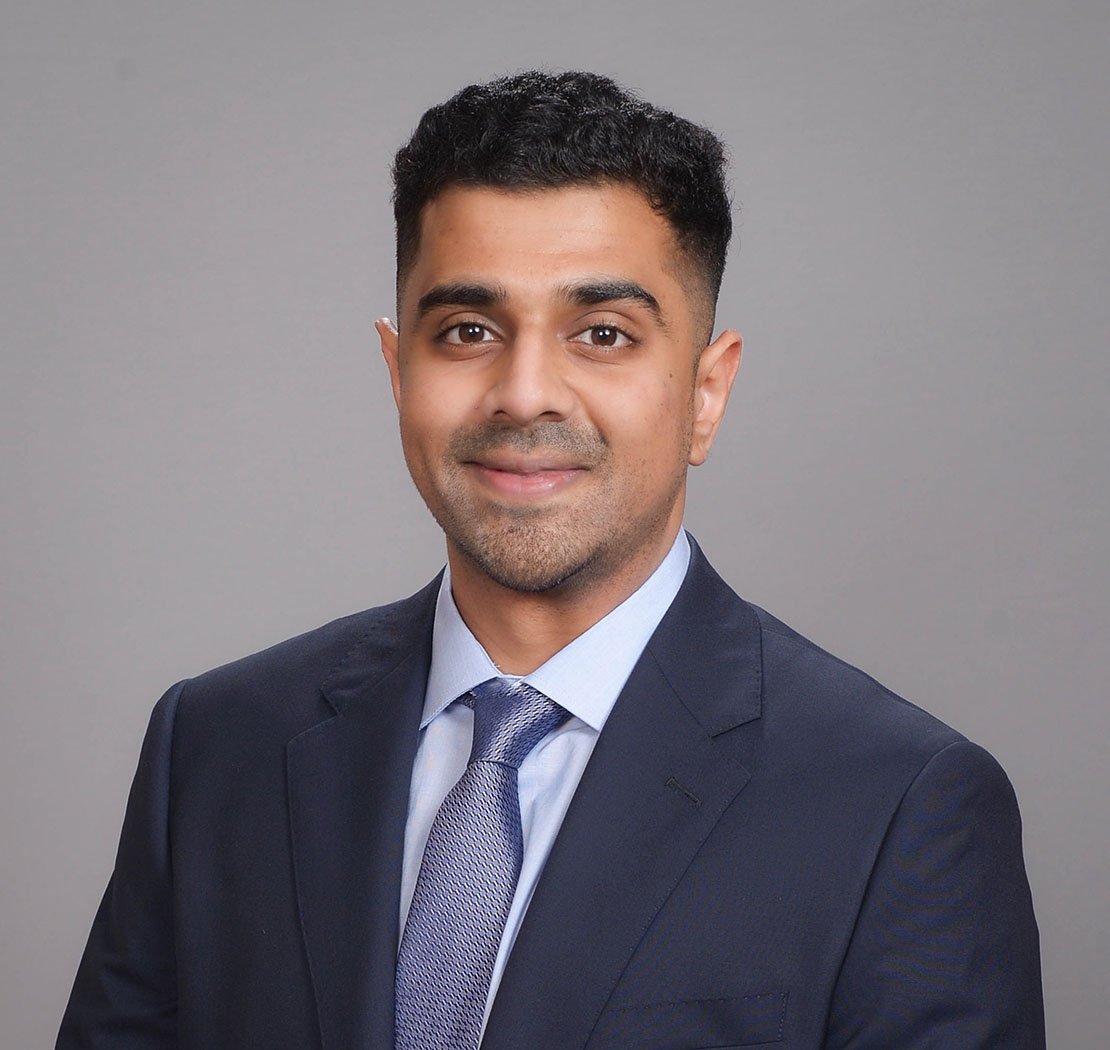
Meet Dr. Krishna Ramesh, a resident in North Texas and specializing in internal medicine. He completed his medical schooling in Bangalore, India, and is a board member of Clinical Academy, designed to foster knowledge of the challenges and opportunities of foreign and U.S. medical graduates including on the medical education journey from attending medical school, getting into residency, completing fellowship, and setting up an independent clinical practice. He serves as an independent contributor to DocAide, has or directly used the service in his practice and shares his insights of his network working with DocAide. He was not compensated for his insights for this article.
About Your Practice & Adoption of AI
What inspired you to begin exploring AI solutions within your healthcare practice?
As a physician, I noticed the growing gap between the time I wanted to spend with patients and the time I actually had. Documentation, intake, and billing were taking up more and more of my day. I knew AI had matured enough to make a real difference in healthcare operations. My goal was simple: bring the focus back to care, not clerical tasks. AI healthcare tools felt like the perfect partner to help us get there.
Before adopting AI, what were the biggest operational or patient-experience challenges you faced?
Before AI, we struggled with the same cumbersome tasks many private practices face: heavy documentation demands, billing bottlenecks, inconsistent intake data, and frequent miscommunication between team members. Patients often repeated the same information multiple times, and I constantly found myself finishing notes at the end of an already long day, which leaves room for error we don't need. We needed a system that helped us work smarter and efficiently, not harder.
How did you first learn about DocAide, and what stood out during the evaluation process?
I originally heard about DocAide through colleagues who were also exploring AI solutions. What instantly stood out was how comprehensive the platform was. It didn't just solve one piece of the puzzle—it connected intake, documentation, billing support, and follow-up workflows into one streamlined experience. It felt like a tool built with real clinical insight.
Experience Using DocAide.ai
Has DocAide.ai impacted your patient intake workflow?
While I have not personally utilized DocAide yet in my practice, I have spoken with my colleagues who have first-hand working knowledge of its benefits. Some told me the patient intake process transformed almost overnight. Others shared the ease of the complete system: Patients complete their forms digitally, data flows seamlessly into any EHR system, and team members aren't stuck manually entering information. It has made their work cleaner, faster, and created a smoother experience for both staff and patients.
What differences have you noticed in day-to-day operations since implementing AI?
For DocAide users, my colleagues have shared with me how the day feels more structured and far less chaotic. They've shared with me how their staff aren't drowning in repetitive administrative work, chart prep is smoother, and the schedule stays on track. These physicians walk into each visit with more complete information, which sets the tone for a more meaningful patient interaction.
Can you share an example of how DocAide has streamlined invoicing or follow-up?
Billing is one of the most tedious tasks for any practice shared amongst all of my colleagues. All of them shared how invoices are automatically generated based on visit documentation, and follow-up reminders go out without anyone having to remember to send them. It has significantly reduced missed follow-ups and billing delays for them. They've shared that patients also get more consistent communication, and our doctors get paid faster.
How has your staff responded to incorporating AI tools?
Once staff members realize AI wasn't replacing them—but instead removes the most repetitive parts of their job—they quickly became strong advocates. It has boosted morale and helped reduce burnout across the board.
Has DocAide improved communication between your front office and your clinical team?
Absolutely. All of my colleagues I spoke with shared that because everyone works off of the same system, there is real-time visibility into patient details, completed tasks, and follow-up needs. It has virtually eliminated the back-and-forth that slows a practice down and improves overall team coordination.
Have you noticed changes in patient satisfaction or engagement?
Yes. My colleagues all shared that their patients feel the improvements almost immediately. Visits are more personalized, check-ins are faster, and they no longer feel like they're repeating themselves. And because communication is more consistent, they are able to stay more engaged in their care.
What feedback have patients shared about the new digital experience?
My colleagues have shared that their patients love the simplicity. They've noted from their patients that the digital forms are easy to complete, and that they appreciate the faster turnaround on messages and follow-ups. Many of my colleagues have shared how their patients have commented that the practice just feels more modern and organized.
How has AI helped you dedicate more time to patient care in general?
AI has taken over a huge portion of the behind-the-scenes workload. With automated intake, documentation support, and billing workflows, physicians can spend their energy where it matters most—listening to patients, addressing their questions, and focusing on their health, rather than paperwork.
AI in Healthcare: Your Perspective
How do you see AI shaping private practices over the next 5–10 years?
I see AI becoming a core part of our everyday practice operations - much like EHRs are today, but - far more intuitive. From intake and triage to documentation, patient follow-up, care coordination, and revenue cycle management, AI will help practices operate with the kind of efficiency that used to be possible only in larger health systems.
What misconceptions do you see that physicians or managers have about AI tools?
The biggest misconception is that AI will somehow replace clinical judgment or create more work. The reality is the opposite: when designed well, AI removes low-value tasks, supports clinical decisions, and helps providers focus on relationships and care—not coding and clicking.
What areas of healthcare are most ready for AI-driven improvement?
The areas of healthcare that will benefit the most are those with repetitive, rules-based tasks for physicians: documentation, billing workflows, scheduling, and care coordination. However, patient engagement and personalized follow-up are quickly becoming major opportunities as well as a result of the efficiencies of AI.
What role will platforms like DocAide.ai play in helping small and mid-sized practices stay competitive?
“AI tools like DocAide level the playing field. Smaller practices can operate with the efficiency and sophistication of large health systems—without needing a huge administrative team. This is crucial for independent practices that are trying to stay competitive in a rapidly changing healthcare landscape.”
— Dr. Krishna Ramesh, MD
Advice & Recommendations
What advice would you give other physicians considering AI for their practice?
Start small, stay open-minded, and choose a tool that integrates naturally into your workflow. Involve your staff early, and make adoption a team effort. You'll be surprised at how quickly the benefits add up—both operationally and clinically.
If you could add one feature to an AI practice management tool, what would it be and why?
I'd love to see predictive scheduling that adjusts dynamically based on patient patterns, visit types, and seasonal trends. It would help practices plan resources more effectively and reduce scheduling bottlenecks.
What has surprised you most about incorporating AI into your practice?
What I've been most surprised to see about incorporating AI into my practice is how quickly it created measurable change. Tasks I thought were 'just part of the medicine' turned out to be completely automatable. AI gave me back hours each week—without compromising any part of the patient experience.
Closing / Personal Insights
How has DocAide changed your view on digital transformation in healthcare?
As shared by my colleagues, DocAide has showed that digital transformation doesn't have to be disruptive or complicated. When the right technology is integrated thoughtfully, it enhances patient care, streamlines operations, and actually brings back the human aspect of medicine.
Anything else you'd like leaders to know about your experience with AI?
“AI isn't just a tech upgrade—it's a strategic advantage. It helps practices run more efficiently, reduces burnout, increases revenue and creates a better experience for patients and staff. Adopting AI early isn't just forward-thinking; it's becoming essential for long-term stability and growth.”
— Dr. Krishna Ramesh, MD
Thank you to Dr. Krishna Ramesh for sharing his valuable insights and perspectives from the field. His experience highlights the transformative potential of AI in modern healthcare practice.